
Nvidia Vera Rubin: Inside the agentic AI factory that rewrites the CPU playbook
SiliconANGLE News · View original source
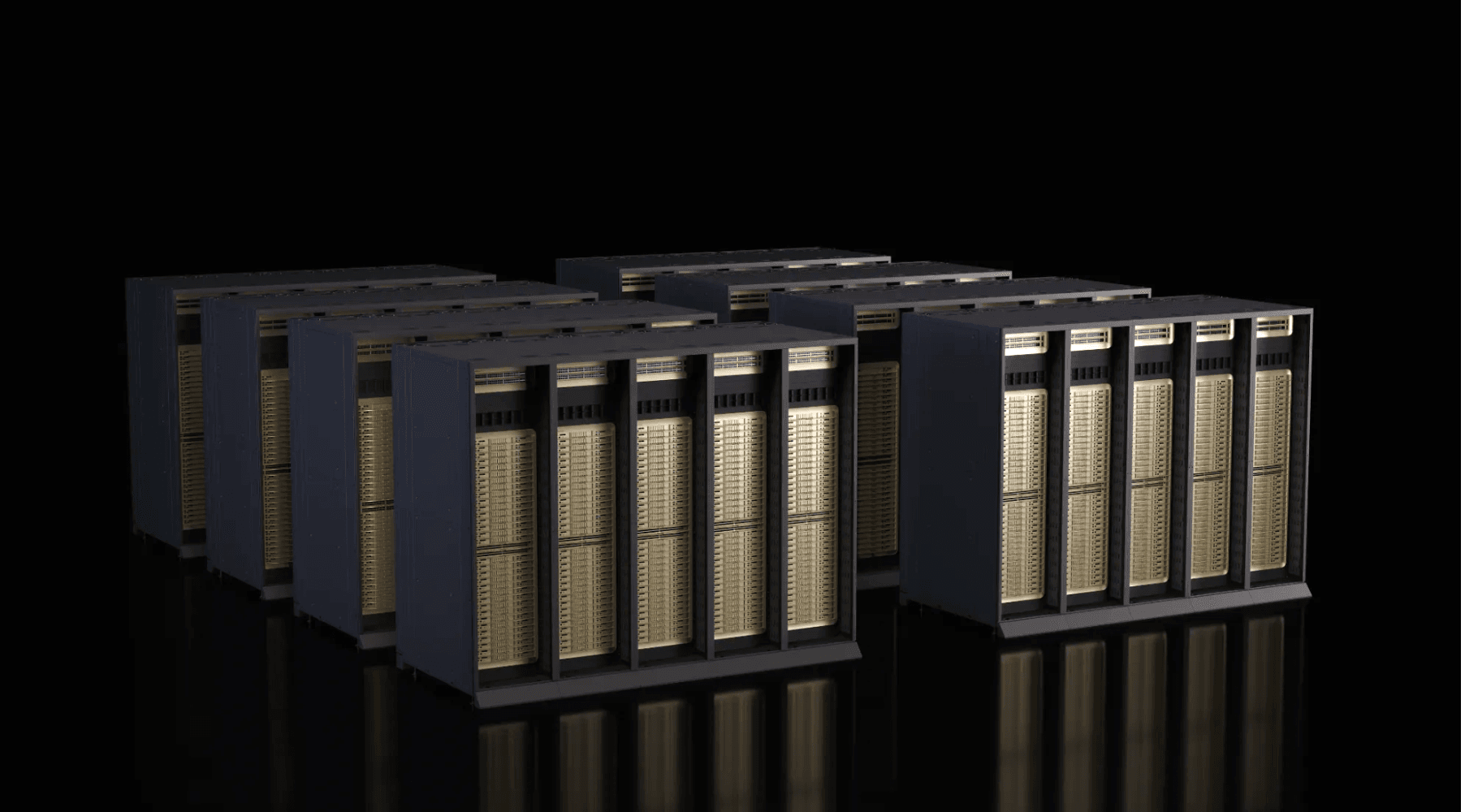
Nvidia Corp. has made headlines this week with the launch of its Vera Rubin platform, a significant advancement in the realm of artificial intelligence infrastructure. This new full-stack system is designed to enhance performance efficiency and reduce operational costs, particularly in the context of AI workloads. With a robust production ramp-up across a diverse global partner network, including major players like CoreWeave, Google Cloud, Microsoft Azure, and Oracle Cloud Infrastructure, Nvidia is positioning Vera Rubin as a pivotal tool for the future of AI.
The launch of Vera Rubin is not merely another addition to Nvidia's extensive portfolio of AI systems; it represents a strategic shift in how the company views the architecture of AI infrastructure. Nvidia argues that the rise of agentic AI—a form of AI capable of autonomous decision-making—necessitates a reevaluation of the traditional roles of the central processing unit (CPU), networking, and overall system architecture. Instead of treating these components as separate entities, Nvidia emphasizes the need for an integrated design approach that considers them as interdependent parts of a cohesive system.
The Evolution of CPU Architecture
Historically, the roadmap for CPU development in data centers has been heavily influenced by the economic demands of cloud computing. Hyperscalers, or large-scale cloud service providers, have prioritized features such as increased core counts, higher throughput, and lower costs. This focus has led to the adoption of chiplet-heavy designs that excel in scale-out efficiency but may not be optimized for the specific needs of AI workloads. Nvidia's recent analyst briefings highlight that while core counts have increased significantly, the performance gains in single-thread processing have not kept pace, resulting in processors that are ill-equipped for the complex, latency-sensitive tasks required by AI agents.
Hannah Coutand from Nvidia articulated this shift, noting that the demands of AI necessitate a new approach to CPU design. In an agentic AI framework, the graphics processing unit (GPU) is responsible for reasoning tasks, while the CPU plays a crucial role in executing code, managing data, and orchestrating operations between reasoning steps. This creates a continuous cycle of reasoning and action that places significant demands on single-thread performance, memory bandwidth, and overall system latency. As a result, simply increasing the number of generic cores is insufficient to address the underlying challenges faced by AI workloads.
Innovations in Vera Rubin's Architecture
To tackle these challenges, Nvidia has developed a custom Arm-based processor for the Vera Rubin platform, featuring its new Olympus core. This architecture includes 88 custom cores and 176 hardware threads, capable of delivering up to 1.2 terabits per second of memory bandwidth and 1.8 terabits per second of coherent CPU-GPU bandwidth via NVLink-C2C. The design aims to achieve what Nvidia describes as the 'max single-threaded CPU at scale,' which balances strong per-core responsiveness with the ability to handle highly concurrent agent workloads.
Nvidia's Ian Finder elaborated on the design philosophy behind Olympus, emphasizing that modern CPU performance should focus on maximizing the useful work completed in each cycle, rather than merely pursuing higher clock speeds. This approach is particularly relevant for agent orchestration, where efficient handling of instructions and memory behavior is critical.
Furthermore, Nvidia's innovations extend beyond the CPU itself. The architecture incorporates a second-generation Scalable Coherency Fabric, which serves as the backbone for data movement within the system. This design contrasts with traditional chiplet-based architectures, which can introduce latency and bandwidth limitations as data traverses different components. For AI workloads that require rapid data sharing and low latency, Nvidia's approach promises to enhance GPU utilization and overall system responsiveness.
Implications for the Future of AI Infrastructure
The introduction of the Vera Rubin platform underscores a significant shift in how AI infrastructure is conceptualized. Nvidia's focus on integrating CPUs, GPUs, memory, and networking into a unified system design reflects a broader trend towards viewing these components as part of a holistic architecture rather than isolated parts. This perspective is particularly relevant in the context of AI factories, where the interplay between various elements can significantly impact performance and efficiency.
As Nvidia continues to expand its capabilities across multiple layers of the technology stack—including CPUs, GPUs, networking, and data processing units—it positions itself uniquely in the market. The company's strategy suggests that the CPU may become a critical area for growth, particularly as AI workloads demand more specialized processing capabilities. Rather than attempting to replace existing architectures across all data center applications, Nvidia appears to be targeting specific AI-driven workloads that require enhanced orchestration and low-latency processing.
In conclusion, the launch of the Vera Rubin platform marks a pivotal moment for Nvidia and the broader AI landscape. By redefining the role of the CPU within the context of AI infrastructure, Nvidia is not only addressing current challenges but also setting the stage for future innovations in the field. As the demand for agentic AI continues to grow, the implications of this shift will likely resonate throughout the industry, prompting other technology companies to reevaluate their own approaches to AI infrastructure and system design.
Frequently asked questions
- What is the Vera Rubin platform?
- The Vera Rubin platform is Nvidia's latest full-stack system designed to enhance performance and reduce costs in AI infrastructure, featuring a custom Arm-based processor optimized for agentic AI workloads.
- How does Vera Rubin improve CPU performance?
- Vera Rubin improves CPU performance by utilizing a custom architecture that focuses on maximizing useful work per cycle, enhancing memory bandwidth, and reducing latency for AI-specific tasks.
- What is agentic AI?
- Agentic AI refers to a type of artificial intelligence capable of autonomous decision-making, which requires specific processing capabilities to manage complex reasoning and action cycles.
Related stories
AI & art news in your inbox, daily
The day's top stories, summarized. Free, no spam, unsubscribe anytime.