
London firms warn of widening AI skills gap
BBC News · View original source
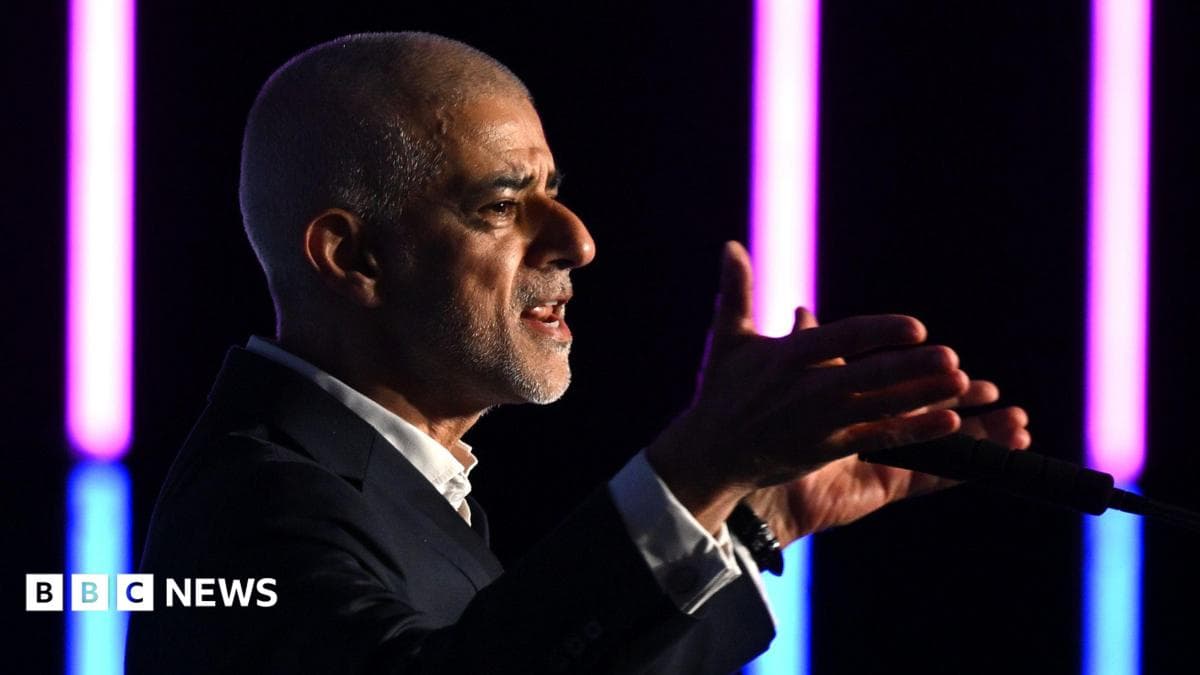
In a proactive move to address the challenges posed by artificial intelligence (AI) in the workforce, London Mayor Sadiq Khan has announced an investment of £18 million aimed at helping young Londoners secure employment and training opportunities. This initiative is part of a broader strategy to prepare the city for the transformative impacts of AI on the job market, as outlined by the mayor's AI and Jobs Taskforce.
The taskforce, which is chaired by Baroness Martha Lane-Fox, has made several key recommendations to ensure that London not only adapts to AI-driven changes but also takes the lead in shaping these developments. Among the proposals accepted by Khan is the establishment of an early-warning system designed to identify job changes resulting from AI before they escalate into a crisis. Additionally, a partnership initiative will be created to connect employers, workers, and educators, aiming to redesign jobs rather than simply automate them. A scheme to pair young Londoners with employers is also set to be implemented, fostering career development and skill acquisition.
The urgency of these measures stems from a recent survey conducted by BusinessLDN, which revealed that London employers are increasingly struggling to find workers with the necessary skills as AI continues to reshape the job landscape. The survey, which included responses from over 2,000 business leaders, indicated that only half of the current workforce possesses the skills required by businesses, a decline from 63% the previous year. Furthermore, more than three-quarters of respondents anticipate a significant demand for AI and advanced digital skills over the next five years, a notable increase from 66% in 2025.
The Role of the AI and Jobs Taskforce
The AI and Jobs Taskforce has been instrumental in guiding the city's response to AI's impact on employment. It comprises representatives from major firms such as Microsoft, Lloyds Bank, NatWest, Sky, and Linklaters, all of which have expressed the need for a coordinated approach to workforce development. The taskforce has called on City Hall to establish a pan-London careers and skills service, create a real-time dashboard to monitor AI's effects on jobs, and enable employers to participate in designing training programs that align with evolving industry needs.
Muniya Barua, deputy chief executive of BusinessLDN, emphasized the dual nature of the AI revolution facing London. While it presents significant opportunities for growth and innovation, it also imposes a responsibility on local leaders to ensure that the workforce is adequately prepared. The taskforce's findings suggest that without proactive measures, the city risks experiencing a decline in entry-level positions, diminished career advancement opportunities, and increased inequality among workers.
In response to these findings, Khan has committed to advancing three primary measures recommended by the taskforce. These include the aforementioned early-warning system, the partnership initiative to redesign jobs, and the youth-employer pairing scheme. Additionally, Khan has allocated £10.5 million of the £18 million investment to extend a program aimed at assisting approximately 6,000 individuals who are currently not engaged in education, employment, or training.
Implications for Creators and Technologists
The developments in London highlight a critical juncture for creators and technologists as they navigate the evolving landscape shaped by AI. The emphasis on skill development and workforce preparedness underscores the importance of adapting to technological advancements in a way that enhances human capabilities rather than replaces them. As AI takes over routine and administrative tasks, there is a growing need for creative and technical skills that cannot be easily automated.
Moreover, the call for collaboration between employers, workers, and educators is a significant step towards ensuring that the workforce is equipped with relevant skills. For creators and technologists, this means engaging in ongoing learning and professional development to stay ahead of industry trends. The establishment of a real-time dashboard to track AI's impact on jobs could serve as a valuable resource for understanding emerging skill requirements and adapting accordingly.
As the debate surrounding AI continues to polarize opinions, with some heralding it as a solution to various challenges while others warn of potential job losses, it is crucial for stakeholders to approach these changes with a balanced perspective. The taskforce's assertion that an AI-driven job apocalypse is not inevitable reinforces the idea that proactive measures can mitigate negative outcomes.
In conclusion, London's initiative to address the AI skills gap represents a significant step towards preparing the workforce for the future. By investing in education, training, and collaboration, the city aims to ensure that its residents are not only participants in the AI revolution but also beneficiaries of the opportunities it presents.
Frequently asked questions
- What is the purpose of the £18 million investment announced by Sadiq Khan?
- The £18 million investment aims to help young Londoners secure employment and training opportunities as part of a strategy to prepare the city for the impacts of artificial intelligence on the job market.
- What recommendations did the AI and Jobs Taskforce make?
- The taskforce recommended creating an early-warning system for AI-driven job changes, establishing partnerships between employers, workers, and educators, and implementing a scheme to pair young Londoners with employers.
- How has the skills landscape changed according to the BusinessLDN survey?
- The survey found that only half of the existing workforce has the skills needed by businesses, a decline from 63% the previous year, indicating a growing skills gap as AI reshapes the job market.
Related stories
AI & art news in your inbox, daily
The day's top stories, summarized. Free, no spam, unsubscribe anytime.