
Hiroshi Sugimoto: Extinction
Jp.org · View original source
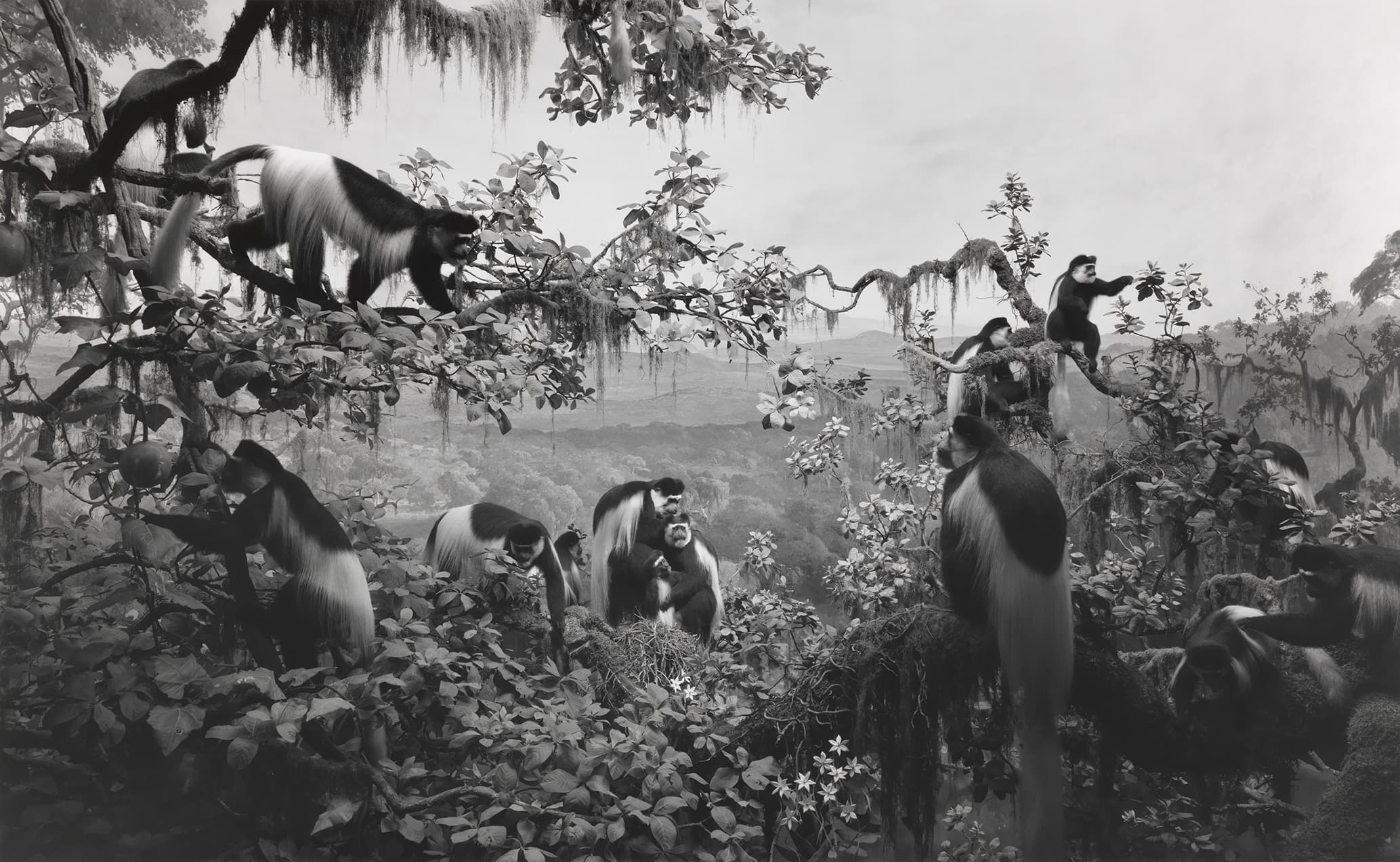
In a striking exploration of the intersection between art and the evolving nature of photography, Hiroshi Sugimoto's latest exhibition, "Hiroshi Sugimoto: Extinction," is currently on display at the National Museum of Modern Art in Tokyo until September 13. This exhibition presents a profound commentary on the state of photography in an age dominated by digital technology, where the essence of traditional photographic methods is increasingly questioned. Sugimoto, a revered figure in contemporary art, argues that the authenticity of "true" photography is facing extinction, a sentiment that resonates throughout his work and the themes presented in this exhibition.
Sugimoto, known for his mastery of silver halide photography, has adapted to the declining significance of traditional photographic techniques while maintaining a commitment to the evidentiary qualities that have defined his artistic journey. His accolades include prestigious honors such as the Hasselblad Foundation International Award in Photography in 2001, the Medal with Purple Ribbon in 2010, and the title of Officier de L’Ordre des Arts et des Lettres in France in 2013. These achievements underscore his status as a luminary in the art world, further amplified by his ability to bridge the gap between classical and contemporary art forms.
The Exhibition and Its Themes
The exhibition features around sixty gelatin silver photographs spanning from the late 1970s to the present, showcasing Sugimoto's evolution as an artist. Since its inception in 2005 at the Mori Art Museum in Tokyo, this large solo exhibition has captivated audiences with its depth and variety. On the museum's third floor, a satellite exhibit titled "Theater, Seascape, and Sugimoto Notebooks/Seeing the Wind" makes its debut, featuring thirteen masterpieces from the MOMAT Collection. This component of the exhibition includes Sugimoto's personal notebooks, which provide insights into his creative processes and thoughts, illuminating the meticulous craftsmanship behind his work.
The central theme of extinction reflects Sugimoto's concerns regarding the decline of gelatin silver media and his own artistic endeavors. He posits that while all things have a beginning and an end, certain artistic expressions can only be authentically captured through traditional silver halide photography. This notion extends to a broader commentary on humanity's vulnerability to extinction, suggesting that the very essence of existence is transient.
Sugimoto's journey into the world of photography was not his initial ambition; he originally aspired to be an artist. However, he gained recognition as a photographer, ultimately choosing to make photography the cornerstone of his contemporary art practice. His work spans various disciplines, including architecture, where he has designed notable projects such as the Enoura Observatory in Odawara (2017), the Tea House Imameido in New York (2011), and the Restoration of Go’o Shrine in Naoshima (2002). Additionally, Sugimoto has ventured into the performing arts, serving as art director for productions like "Engyoji Temple x Hiroshi Sugimoto: Noh Climax" (2022) and "Sugimoto Bunraku Sonezaki Shinju, The Love Suicides at Sonezaki" (2019).
Having moved to New York at the age of 22, Sugimoto's experiences navigating between Japan and the United States have enriched his artistic perspective. This cultural fluidity has allowed him to explore diverse creative disciplines while deepening his philosophical inquiry into the existential and spiritual dimensions of objects and spaces.
The Artistic Techniques
The exhibition is organized into thirteen photographic series, with the first chapter titled "Time, Light, and Memory" featuring works from the "Diorama," "Theaters," and "Seascapes" series. One notable piece, "White-mantled Colobus" (1980) from the Diorama series, exemplifies Sugimoto's innovative approach. At first glance, the image appears to depict a scene from a jungle, yet it is a carefully constructed photograph utilizing a large-format camera and long exposure techniques. This method freezes the motion of the staged animals, creating hyper-realistic images that blur the line between reality and imitation. Sugimoto's technique invites viewers to confront their own perceptions of life and mortality, as he articulates the transformative experience of viewing these images.
Sugimoto's Seascapes series has become iconic, showcasing his travels to remote locations to capture the ephemeral moments where the sky meets the sea. The monochrome photographs evoke a sense of timelessness, connecting viewers to landscapes that have existed for eons. In the piece "Bay of Sagami, Enoura" (2025), the horizon is perfectly centered, dividing the ocean and sky into equal halves. The stark contrast between the dark sky and the pale water creates a meditative atmosphere, allowing viewers to engage with the primordial elements of nature. Sugimoto reflects on this experience, describing the sea as a source of comfort and a conduit for exploration.
In "Hiroshi Sugimoto: Extinction," the artist not only showcases his mastery of traditional photographic techniques but also raises critical questions about the future of photography in a digital age. His work serves as a poignant reminder of the value of craftsmanship and the enduring power of art to convey complex themes of existence and impermanence.
Frequently asked questions
- What is the main theme of Hiroshi Sugimoto's exhibition?
- The main theme of the exhibition 'Extinction' revolves around the decline of traditional gelatin silver photography and the philosophical reflections on existence and impermanence.
- How many photographs are featured in the exhibition?
- The exhibition features approximately sixty gelatin silver photographs spanning from the late 1970s to the present.
- What other disciplines has Hiroshi Sugimoto explored beyond photography?
- Beyond photography, Sugimoto has explored architecture and the performing arts, contributing to various notable projects and productions.
Related stories
AI & art news in your inbox, daily
The day's top stories, summarized. Free, no spam, unsubscribe anytime.